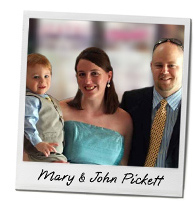
The Quick and Easy Gluten-Free Diet JumpstartMy name is Mary and, once upon a time, I was a 23 year-old newlywed–and I needed to learn how to bake some Gluten-Free Bread pronto! I was confident at first. After all, I had spent many evenings cooking with my mother and grandmother. But over the next few years, I experimented with dozens of Gluten-Free Bread mixes. Every single loaf of bread I made either never managed to rise, had a weird taste, or was too crumbly for a sandwich! This was not good! But, I was determined to make good gluten-free bread for my family. And, I decided that I was going to find a recipe that worked–even if I had to invent one myself. And I did! After years of tweaking recipes and swapping out ingredients, I finally came up with a Gluten Free Sandwich Bread Recipe that tasted great! But discovering one bread recipe was just the beginning. Eating gluten-free isn’t merely a matter of following the directions in a cookbook. It’s a way of life! (And a healthy one at that!) My husband and I created this website to help others who have decided to adopt a similar health-conscious lifestyle. Read on as we share our journey with you. But for starters, let’s list a quick and easy menus that outlines what to eat on a gluten free diet. |
 Plus, I was armed with a brand new
 GLUTEN-FREE BREAKFAST MENU
 If you usually eat cold cereal for breakfast, then this week try Rice Chex, Corn Chex, Cinnamon Chex, Honey Nut Chex, Chocolate Chex, or Strawberry Chex. These Chex cereals are the only mainstream gluten free cereals. If you live near an urban center, you may find that your grocery store carries other gluten free specialty cereals, and if they do then feel free to try them. If you usually eat cold cereal for breakfast, then this week try Rice Chex, Corn Chex, Cinnamon Chex, Honey Nut Chex, Chocolate Chex, or Strawberry Chex. These Chex cereals are the only mainstream gluten free cereals. If you live near an urban center, you may find that your grocery store carries other gluten free specialty cereals, and if they do then feel free to try them. |
 If you usually eat a breakfast bar for breakfast, first check to see if your usual bar is marked gluten free. If not, then I’d suggest switching to cereal or fresh fruit for a week. You’ll be tempted to read the labels on all of the breakfast bars in the grocery store, but that’s just going to depress you. Save that for next week. Unless your store carries Larabars – those are all gluten free. If you usually eat a breakfast bar for breakfast, first check to see if your usual bar is marked gluten free. If not, then I’d suggest switching to cereal or fresh fruit for a week. You’ll be tempted to read the labels on all of the breakfast bars in the grocery store, but that’s just going to depress you. Save that for next week. Unless your store carries Larabars – those are all gluten free. |
 If you usually eat a hot breakfast, then see how many eggs recipes that you can come up with. A few that I can think of off the top of my head are: scrambled, fried, poached, omelette with veggies, and frittatas. Bacon, sausage, and hot cereals are all processed and should be avoided this week unless they are marked gluten free. If you usually eat a hot breakfast, then see how many eggs recipes that you can come up with. A few that I can think of off the top of my head are: scrambled, fried, poached, omelette with veggies, and frittatas. Bacon, sausage, and hot cereals are all processed and should be avoided this week unless they are marked gluten free. |
GLUTEN-FREE LUNCH MENU
 If you have access to a microwave at lunch, then the easiest option is to eat leftovers from last night’s meal for lunch. Add a salad or fresh fruit if you need to round out the meal. Lunch is easily the most bread-centric meal of the day, so don’t freak out when everyone around you is having sandwiches. You will be able to eat good bread again. If you have access to a microwave at lunch, then the easiest option is to eat leftovers from last night’s meal for lunch. Add a salad or fresh fruit if you need to round out the meal. Lunch is easily the most bread-centric meal of the day, so don’t freak out when everyone around you is having sandwiches. You will be able to eat good bread again. |
 Not crazy about the microwave? Then try a large salad and some fresh fruit. I like to add chickpeas to my salad as the protein – that way I don’t have to worry if I forget to take my lunch to the refrigerator. A lot of salad dressings contain gluten; an easy solution is to make your own vinaigrette at home and take that with you to dress your salad. Check out these recipes from Michael Ruhlman’s new book, Ratio, if you need some guidance. Not crazy about the microwave? Then try a large salad and some fresh fruit. I like to add chickpeas to my salad as the protein – that way I don’t have to worry if I forget to take my lunch to the refrigerator. A lot of salad dressings contain gluten; an easy solution is to make your own vinaigrette at home and take that with you to dress your salad. Check out these recipes from Michael Ruhlman’s new book, Ratio, if you need some guidance. |
 If you have to go out for lunch, then try to get the lunch moved to a restaurant that has a gluten-free menu (or a chef who’s familiar with the diet). If you’re new to gluten free foods, then you might get frustrated-trying to identify the gluten foods on your own. Don’t be afraid to inquire about the food with the restaurant staff. They should be able to tell you which items are gluten free, or can be prepared gluten free. And, if you call ahead, hopefully all of this can take place discreetly in the background. If you have to go out for lunch, then try to get the lunch moved to a restaurant that has a gluten-free menu (or a chef who’s familiar with the diet). If you’re new to gluten free foods, then you might get frustrated-trying to identify the gluten foods on your own. Don’t be afraid to inquire about the food with the restaurant staff. They should be able to tell you which items are gluten free, or can be prepared gluten free. And, if you call ahead, hopefully all of this can take place discreetly in the background. |
GLUTEN-FREE DINNER MENU
 The easiest way to go about preparing a gluten-free dinner, may be to simply stick with the classics. Just prepare some simple servings of meat (seasoned with salt, pepper, and/or other herbs). And, a side of fresh vegetables, followed by a side of rice and potatoes. The easiest way to go about preparing a gluten-free dinner, may be to simply stick with the classics. Just prepare some simple servings of meat (seasoned with salt, pepper, and/or other herbs). And, a side of fresh vegetables, followed by a side of rice and potatoes. |
 When you’re ready to try out your own culinary skills, then visit our Gluten Free Recipes Database, and try a recipe or two. (Each one can be printed out.) Hopefully, these recipes will keep you from having to search far and wide for gluten-free recipes. That’s quite annoying for beginners. When you’re ready to try out your own culinary skills, then visit our Gluten Free Recipes Database, and try a recipe or two. (Each one can be printed out.) Hopefully, these recipes will keep you from having to search far and wide for gluten-free recipes. That’s quite annoying for beginners. |
Eating out for a gluten-free dinner is, of course, quite similar to eating out for lunch. Do some snooping in your local paper, or do some Google (or Yelp), searching and find a gluten-free restaurant near you. |
How about some Homework?
Make a list of what you’d like to eat for each day of the week. Here’s an example:
Monday: Rice Chex and banana for breakfast, green salad (with chickpeas) and balsamic vinaigrette dressing for lunch; cheddar cheese slices and an apple for snack; baked chicken breast, mashed potatoes, and roasted veggies for dinner.
If you’d like to “jump start” your Gluten-Free goals, then checkout out best-selling Gluten-Free eBook and Video Classes.
 |
Our Gluten-Free
|
 |
Our Gluten-Free Cooking Video ClassesRegain your confidence in the kitchen! Individual Classes Starting At $49. Are you frustrated with trying to figure out why some gluten free recipes work and others are a miserable failure? |
|
 |
|
|||
How to Eat Gluten Free (The First 5 Steps)
A few months ago, I decided to create a couple of new bread recipes. Was I in for another tedious (multi-month) ordeal? Not this time. I wrote out the new recipes, baked them, and they were awesome. (I even baked a 2nd batch to confirm the recipe.) And then they were ready to send out to my newsletter readers! That’s it. Two batches and I was done! When you start a Gluten Free Diet you may be initially intimidated by all the info. But trust me, that is the kind of “kitchen confidence” that you can foster too. And the best part is, there is no need for you to go through the long learning curve that I did!
 |
Step 1. Stop Expecting Perfection.I recently asked a large FB group what was keeping them from enjoying gluten free baking. One of the responses was, “a lack of a 100% guarantee that the recipe will turn out.” I know none of us want to have a recipe turn out badly, but it’s going to happen. And that’s good. You’d never learn a thing if some of your recipes don’t go wrong. To truly understand your ingredients, you have to be able to contrast recipes that work and recipes that don’t. Keep reading and I’ll show you how to use those failures to boost your skills even faster. |
 |
Step 2. Use a Scale.Two of the reasons that my first bread recipe took so long to develop is that I did not understand the tremendous advantages of using a scale to weigh my ingredients and using recipes that are written by weight. There is nothing about gluten free baking that I feel more strongly about than this. Buy a digital kitchen scale and use it! |
 |
Step 3. Take Notes.A sturdy notebook will be the 2nd most useful tool in your gluten free kitchen. Use it as a journal and write down everything that you can measure and observe about the recipe as you are preparing it. And don’t just do this the first time, do this every time that you’re making a recipe that you want to learn from. And every time you make a tweak to a recipe. That way, when a recipe is unexpectedly WOW worthy (or unexpectedly bad) you’ll be able to look back at your notes and see why. That is how you make the most of the inevitable failures! My gluten free cooking classes include a printable note-sheet that you can complete as you work on a class. Each of the sheets is customized for the particular recipe that you’re working on, so that you measure and observe the right variables. This has been invaluable in trouble-shooting results. |
 |
Step 4. Cook In A GroupIf learning from your own mistakes expedites your gluten free skills, just imagine how much you can learn when you do you gluten free baking with others and can learn from their successes and mistakes too. In the group-coaching version of my classes, this kind of learning has taken place spontaneously. As we all baked bread in different kinds of loaf pans, we got to see how the shape, material, and size of each loaf pan affected the finished loaf of bread. Learning that, on your own, would take years of experiments and lots of money on loaf pans. Instead, we got to see it happen, discuss it, and quantify it in one week. |
 |
Step 5. ExperimentFind someone who’s doing research and experiments and read about what they are doing! All of my biggest aha! moments in gluten free baking have come from reading articles about “normal” baking and then applying it to gluten free recipes. The aha! moment that allowed me to create a yeast-free bread recipe that would make a sandwich-sized loaf…yeah, that came from reading an article on baking cakes with wheat flour. Now, getting all geeky about recipes and rations and baking techniques may not be your cup of tea, and that’s fine. But find the people that do love that and learn from them. |
Gluten Free Cooking and Baking
One of the more popular questions about changing to a gluten-free diet, is how to go about cooking gluten free baked goods. Many people love to bake their own bread, cakes, and pies. While others, simply want to learn how to avoid having to buy all of these products. The good news is that learning to bake gluten free food is a learnable skill! You can find many recipes for gluten free baking on my blog, but let’s discuss some general tips here.
Ingredients
So what are some whole (unprocessed) foods?
- Fruits and Vegetables that do not come in a package.
- Meats that the butcher has processed in the store, and that have not been puffed full of saline solution and seasonings.
- Grains that only have one ingredient listed on the packaging, e.g. “Rice.” And, do not say “Contains Wheat” or “is processed in a facility that also processes wheat”.
Most people aren’t used to cooking with unprocessed foods. Nor have they ever spent much time looking for “gluten” in their food. So don’t freak out if you still can’t figure out what to eat. I’m going to give you some ideas for breakfast and lunch. And a sample menu plan (with a shopping list) for your dinner!
The most common ingredients used in gluten free baking are brown rice flour, corn starch (or tapioca starch), and xanthan gum. Brown rice flour and corn starch are pretty easy to figure out. They will provide the main ingredient in many gluten free baked goods. The availability of these ingredients may vary in your area. But, you can find them online at Amazon with a little effort.
Xanthan gum is something that you might not have heard of. It is the ingredient that takes the place of gluten in our bread and baked food. Just as gluten provides elasticity to wheat bread (allowing the bread to become light and airy instead of doughy) Xanthan gum does the same thing for gluten free bread.
Baking
The easiest way to get started in baking gluten free is to take a recipe that you like and simply substitute gluten free flour and some xanthan gum for the gluten-containing ingredients. You might not get things exactly right the first time, but that’s OK! You’ll get a feel for the portions as you go. So don’t be alarmed if the dough doesn’t have the texture that you’re used to with wheat flour. Things will most likely look and taste a bit different as well. This is totally normal and to be expected. Now that our own taste buds have become acclimated to gluten free flours, we find that we enjoy our own gluten free baked goods even more than those made from store-bought brands.
Benefits of the Gluten Free Diet
The first few days and weeks of life on a gluten free diet are tough. You’re not sure what to eat. Lots of the food in your pantry is full of gluten. And, many of your favorite comfort foods are off-limits just when you really need some comfort. But, there is hope. Here are seven things that we* enjoy about being on a gluten free diet. (Want even more benefits? Checkout our longer post here entitled: “8 Benefits of a Gluten Free Diet“)
We feel better!
Many people with Celiac and/or gluten sensitivity begin to feel better within days of going gluten free. For me, it took one day for all of the painful symptoms to go away, and within a week or so I could tell that additional healing was taking place. Depending on the severity of the damage to your celia, it may take a while for you to become well-nourished again. But, celebrate the fact that you are going to feel great.
We are more aware of our bodies
As you come off of gluten, you become aware of how your body is beginning to function differently. You’re able to link changes in your body to changes in your diet. For us, this consciousness has carried over to other aspects of our diet. We are better able to notice whether foods make us feel good or bad, whether they give us energy or take it away. Once you’ve eliminated gluten, this increased awareness should help you identify any further food allergies and see if there other steps you can take to improve your diet.
We eat very few processed foods.
Most processed foods contain gluten or potential gluten sources. If you’re used to cooking with processed foods as we were, then the initial transition is going to be a big adjustment. But the upside is that most of those processed foods are not good for you anyway. We had a ton of bad foods taken out of our diet without having to “diet”. As a result, I haven’t had to diet to lose my baby weight. It’s been coming off slowly but steadily.
We eat a lot more whole foods
Once the processed foods were out, the whole foods came in. Our diet now consists of non-wheat whole grains, beans, vegetables, fruit, and some dairy and eggs. We have found that whole foods taste so much more than the processed foods that we were accustomed to eating. Food can be very flavorful on a gluten free die
Our food horizons have broadened
Many ethnic cuisines use corn, rice, beans and potatoes as staple foods and are, therefore, great sources for gluten free recipes. We usually have at least one meal each weak that is inspired by Asian or South American cuisines. This past year we have branched out even further and tried some African and Indian dishes. Going gluten free forces you to look outside of your normal routines and can really get you out of a cooking rut.
I became a better cook
To stay on a gluten free diet you have to learn how to cook without processed foods. Since I had learned many cooking basics from my mother and grandmother, the primary skill that I learned from going gluten free was how to experiment with and alter recipes. Sometimes it works and sometimes it doesn’t, but it’s always fun because I’m always learning. Even though I now spend more time cooking, it’s less of a chore than it was in the gluten days.
We gained confidence
Making a drastic change to our diet gave us the confidence to do it again. Shortly after our son was born we both found that we had very little energy. We had read that a vegetarian or vegan diet improves ones energy levels. So, we tried it. One day we were eating meat, the next day we were not. The skills that we learned in our transition to a gluten free diet made the transition to a vegetarian diet painless. I you’re new to gluten free then I hope you’ll find encouragement in our experiences.
Take The First Step Today!
This all is covered in more detail in our Gluten-Free eBook. It’s packed full of practical tips and strategies to help you get started and stay gluten-free successfully. And be sure to Subscribe to our Newsletter for even more great tips on Gluten-Free living. Take a look at our very own Gluten Free Recipes database for a never-ending supply of great-tasting gluten-free food options.
Enter your email address below! So you can get our free eBook, and email updates about all things gluten-free! Learn some great tips, and have fun–all while you’re wrapping your head around the idea of using a scale, keeping a kitchen journal, and all that sort of great healthy stuff.